Fiber in Protein Bars — How Much Is Too Much?
Understanding fiber in protein bars — types, benefits, digestive effects, and how much is optimal.
Quick Summary
Most protein bars contain 3-15g fiber from sources like chicory root (inulin), soluble corn fiber, or isomalto-oligosaccharides (IMO). 5-7g is the sweet spot — enough for satiety without digestive issues. Above 10g can cause bloating in sensitive individuals.
Last updated: August 21, 2026
What Is Fiber?
Fiber in protein bars comes from added sources (not naturally occurring). Common types include chicory root fiber (inulin), soluble corn fiber (SCF), isomalto-oligosaccharides (IMO), and resistant starch. These are added to increase satiety, lower net carbs, and improve the "health halo" of the bar. Not all fiber sources are equal — some cause significantly more digestive issues than others.
Pros & Cons
The good and the bad of fiber in protein bars
Pros
- •Increases satiety — keeps you full longer
- •Lowers net carb count (important for keto)
- •Supports gut health and regular digestion
- •Soluble corn fiber is well-tolerated by most people
- •Helps stabilize blood sugar after eating
Cons
- •Chicory root / inulin causes bloating in many people
- •IMO may not actually be true fiber (partially digestible)
- •High fiber (15g+) can cause gas and cramping
- •Some fiber sources are high-FODMAP
- •Can make bars taste chalky or dry
Best Fiber Bars
Top-rated options related to fiber
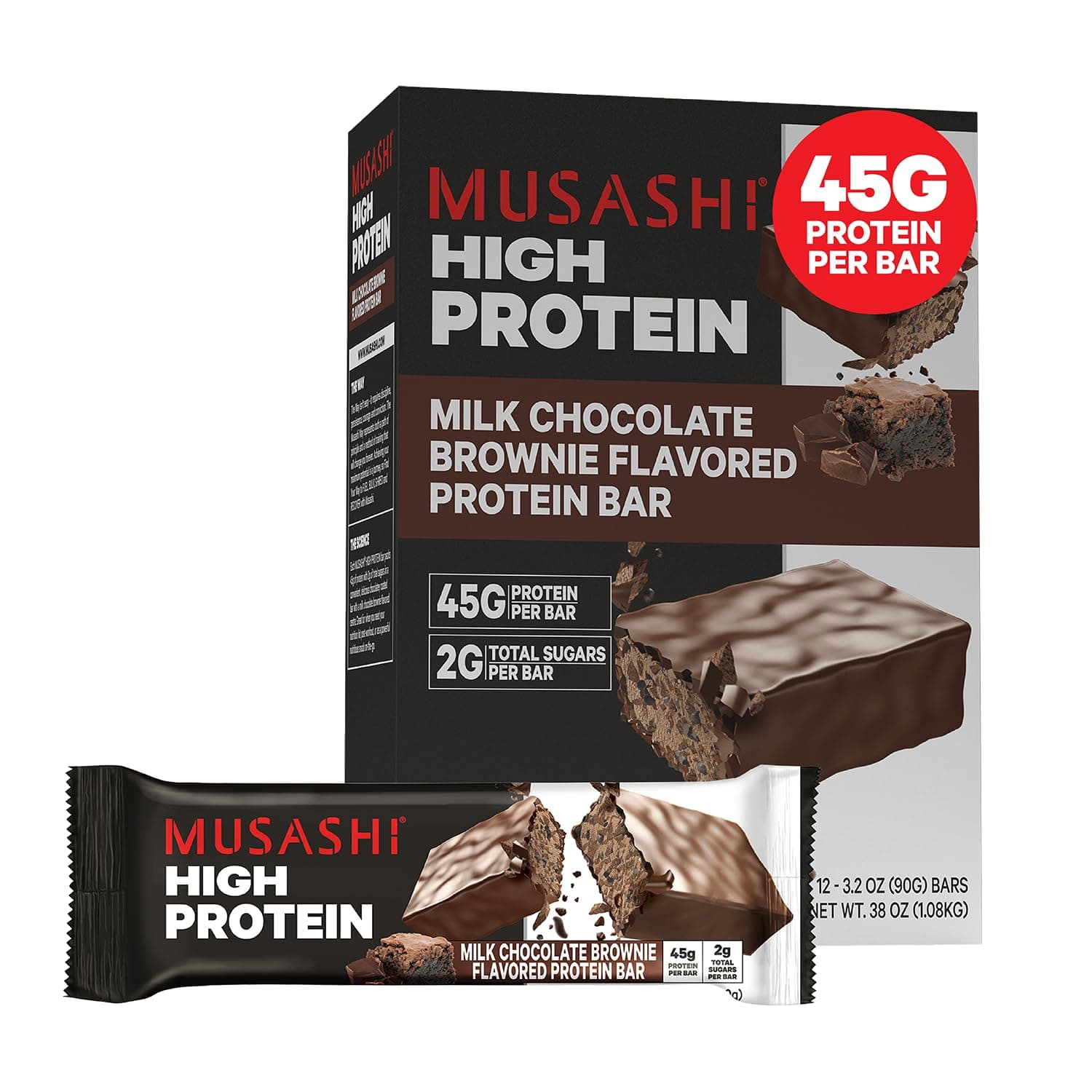
MUSASHI
High
High-density protein formula designed for recovery and active training.
Cal
310
Protein
45g
Sugar
2g
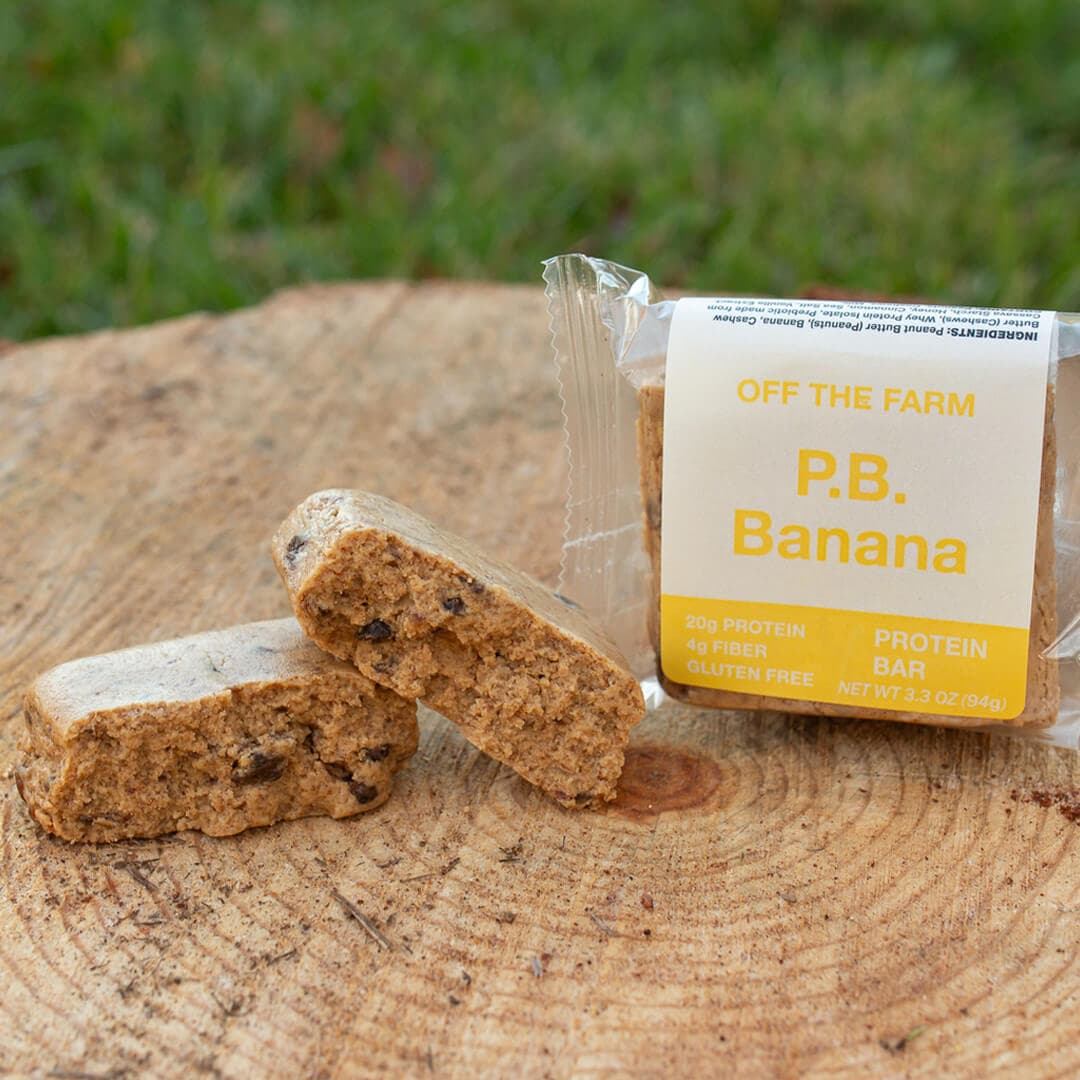
Off The Farm
P.B. Banana
Top-tier bar scoring highly across all tasting and macro audits.
Cal
450
Protein
20g
Sugar
21g
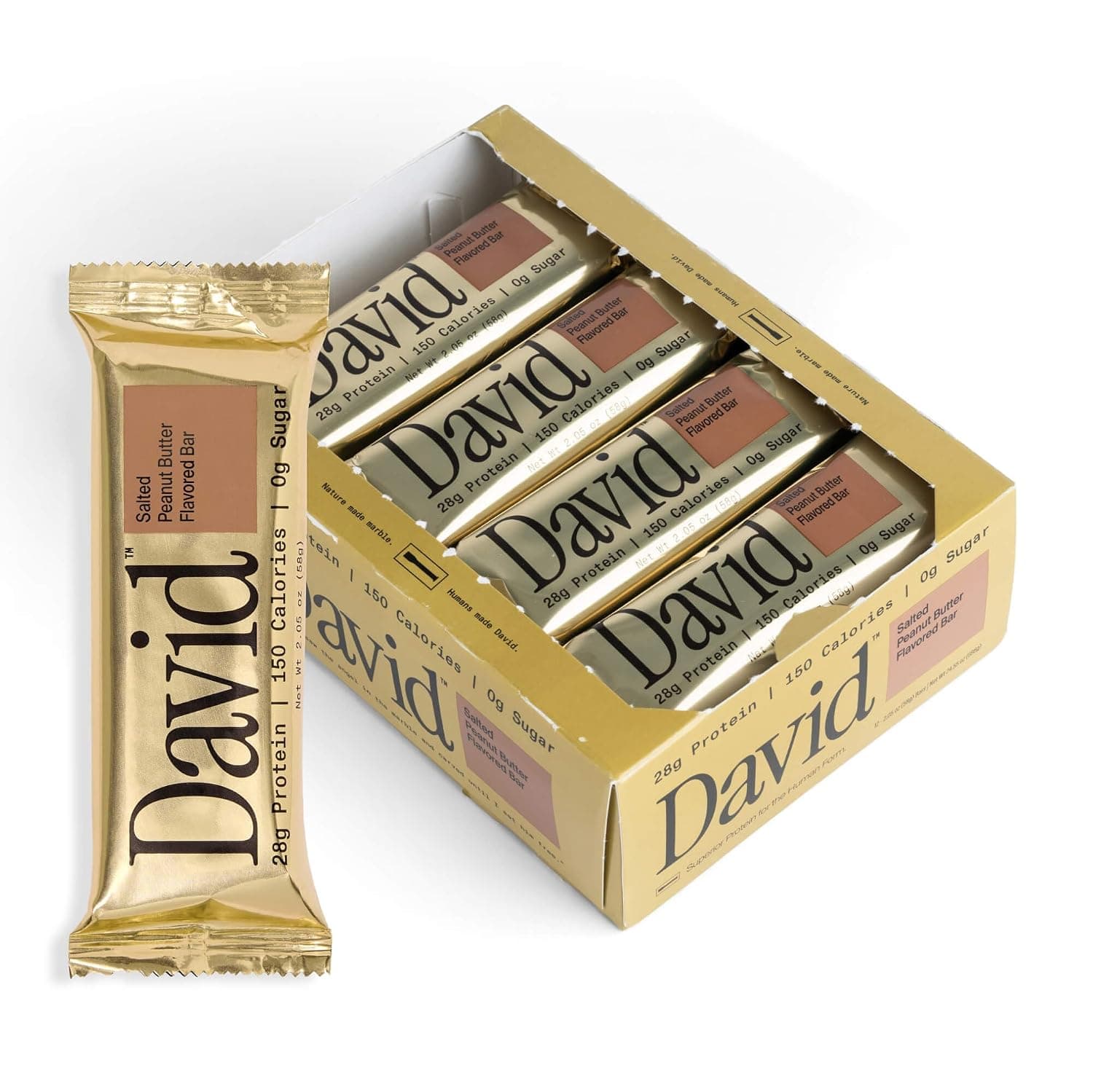
David
High Protein Bar Salted Peanut Butter
High-density protein formula designed for recovery and active training.
Cal
150
Protein
28g
Sugar
0g
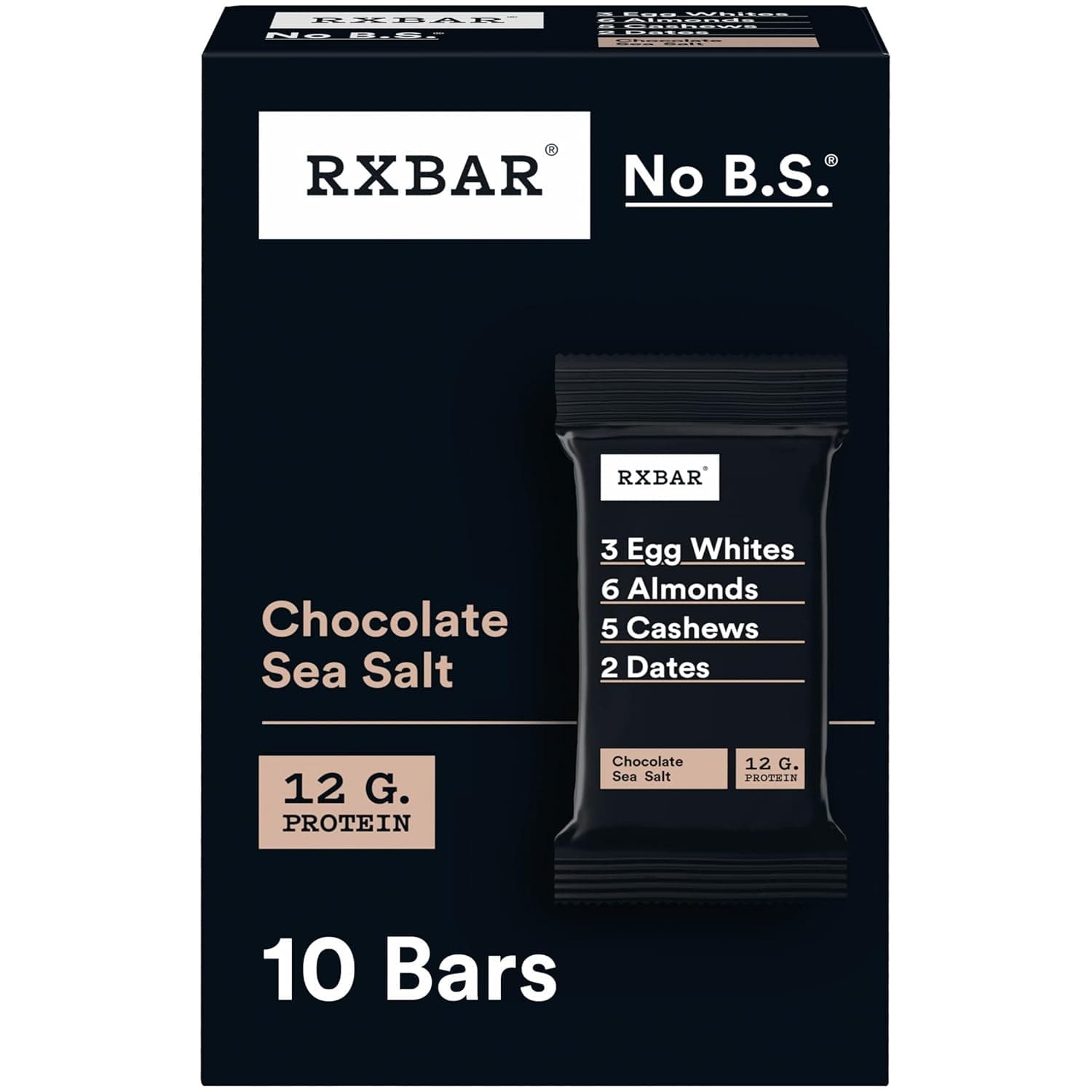
RXBAR
Chocolate Sea Salt
Balanced daily macro source with clean ingredients and solid taste.
Cal
200
Protein
12g
Sugar
14g
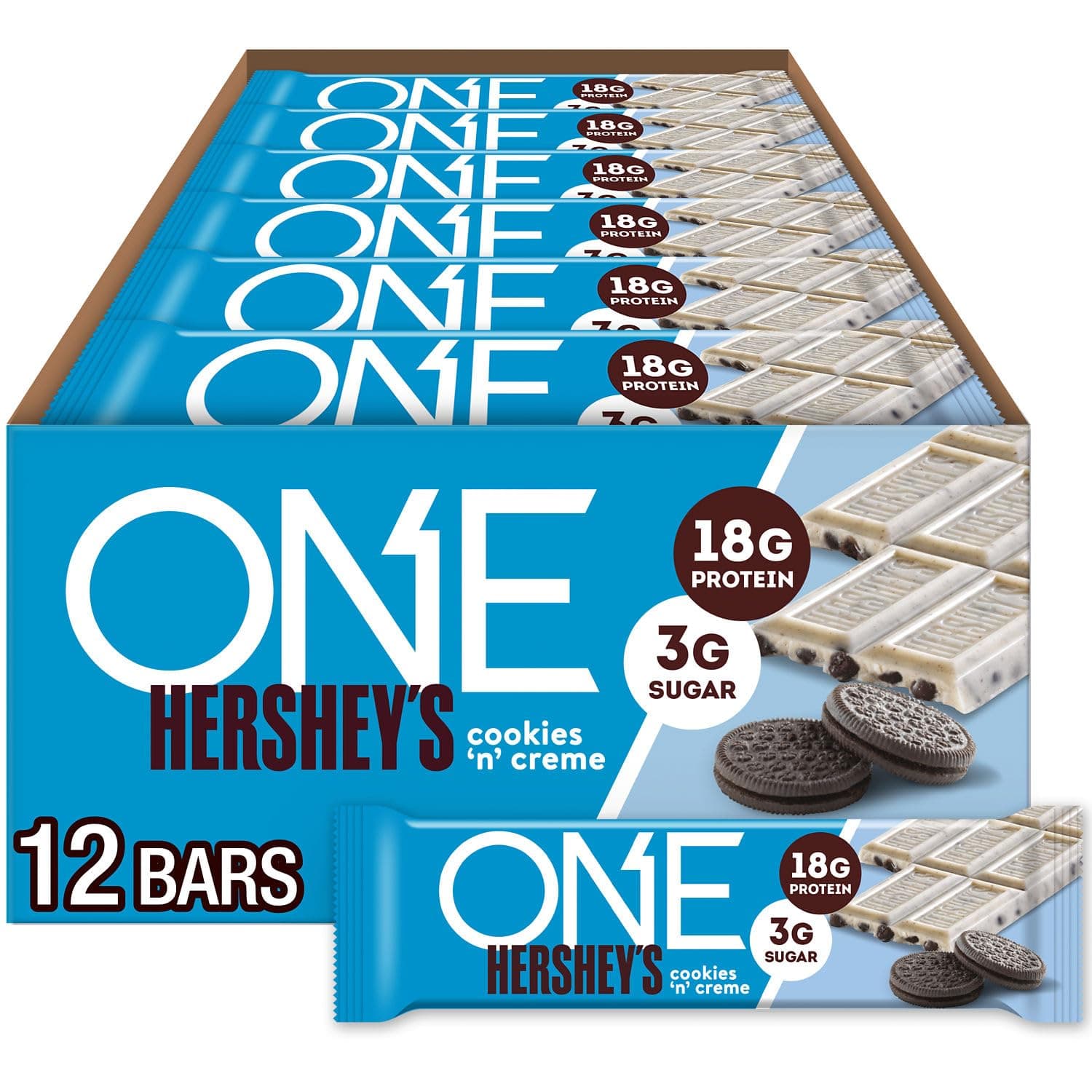
ONE
Protein Bar Hersheys Cookies n Creme
Balanced daily macro source with clean ingredients and solid taste.
Cal
230
Protein
18g
Sugar
3g
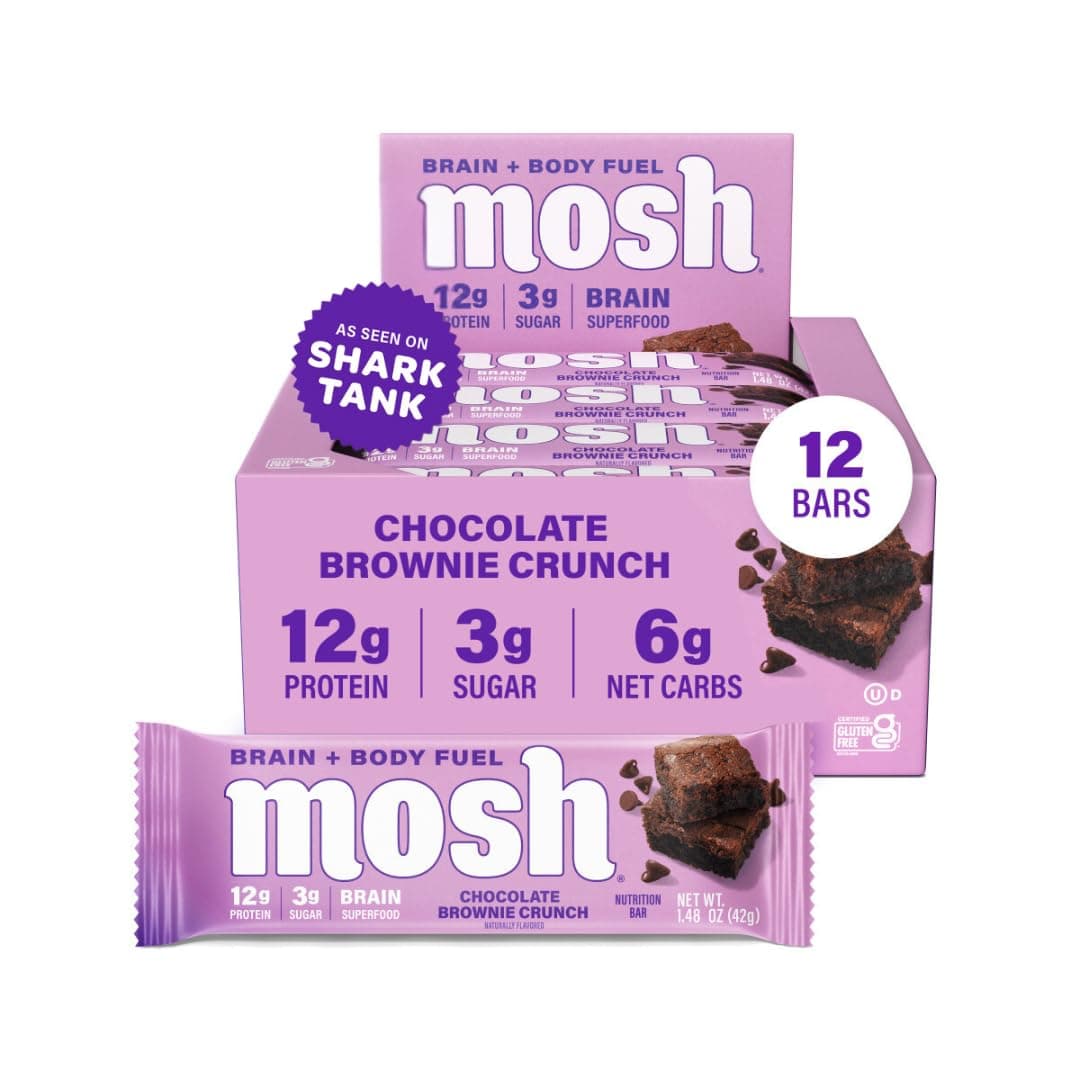
MOSH
Chocolate Brownie Keto Protein Bar
Balanced daily macro source with clean ingredients and solid taste.
Cal
160
Protein
12g
Sugar
3g
Related Topics
Sugar Alcohols
A complete guide to sugar alcohols in protein bars — what th...
Whey Protein
Everything you need to know about whey protein in bars — typ...
Plant-Based Protein
A guide to plant-based proteins in bars — pea, soy, rice, he...
Artificial Sweeteners
The truth about artificial sweeteners in protein bars — what...
Need help finding the right bar?
Try Our AI Search →